About Pyridine Chemical
Pyridine chemical is a colourless to light yellow liquid with a characteristic odour that is not pleasant. Crude coal tar and other chemicals are used in the preparing of this chemical. This chemical is generally added to dissolve the substances. Products that can be made with this chemical are many, right from adhesives, insecticides, herbicides, pharmaceutical products, food flavourings, dyes and paints. Pyridine chemical is toxic when ingested or inhaled. Its density is 0.978 g / cm3 and flash point of 68 deg F.
Versatile Applications in IndustryPyridine serves as an essential intermediate and solvent in various industries, including pharmaceuticals, agrochemicals, dyes, and rubber chemical manufacturing. Its unique chemical properties make it suitable for facilitating reactions and synthesizing complex compounds, contributing to the advancement of modern chemical engineering and product innovation.
Safe Storage and Handling RequirementsGiven its flammability and pungent odor, pyridine should be stored in a cool, dry, and well-ventilated area away from sources of ignition. Packaging options include barrels, IBC tanks, or drums, and strict adherence to safety regulations ensures both stability and protection throughout its two-year shelf life. Proper handling will prevent hazardous incidents and contamination.
FAQs of Pyridine Chemical:
Q: How should pyridine be stored to maintain stability and safety?
A: Pyridine should be stored in a cool, dry, well-ventilated place, away from heat sources and ignition points. It is typically packed in barrels, IBC tanks, or drums to ensure safety and prevent leaks. Adhering to these guidelines preserves the chemicals stability and extends its shelf life for up to two years.
Q: What are the main industrial uses of pyridine?
A: Pyridine is primarily used as a solvent and intermediate in the production of pharmaceuticals, agrochemicals, dyes, and rubber chemicals. Its unique miscibility with multiple solvents and organic compounds makes it invaluable in chemical synthesis and laboratory processes.
Q: When should pyridine be handled with extra caution?
A: Due to its low flash point (20C, closed cup) and vapor pressure at room temperature, pyridine is highly flammable and must be handled with care near open flames or heat sources. Protective equipment and good ventilation are essential during handling and transfer operations.
Q: Where can pyridine be purchased in India?
A: Pyridine is available from suppliers, traders, and wholesalers in India. It is typically offered in bulk packaging such as barrels, IBC tanks, or drums, catering to industrial and laboratory requirements.
Q: What processes benefit from the use of pyridine?
A: Chemical synthesis processes, especially those requiring catalytic activity or selective solubility, benefit from pyridine as it acts as an efficient solvent and intermediate. Its presence can facilitate reactions in the manufacturing of pharmaceuticals, agricultural chemicals, dye intermediates, and rubber products.
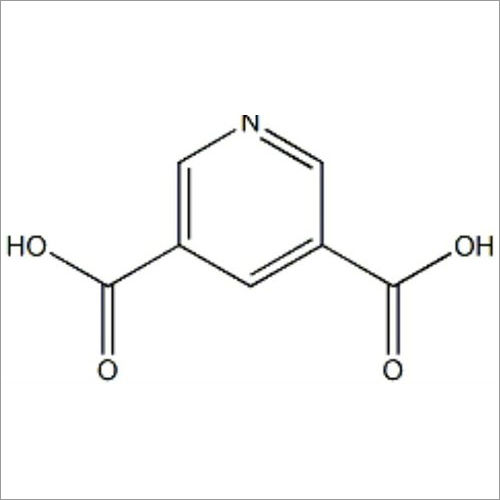
Q: What is the molecular structure and formula of pyridine?
A: Pyridine features a six-membered aromatic ring, with one nitrogen atom replacing a carbon atom. Its molecular formula is C5H5N, and it has a molecular weight of 79.10 g/mol, contributing to its distinctive chemical behavior.






 Send Inquiry


 Send Inquiry


